The Shirt as a Measure
From the first line of the pattern to the final button, a Croata shirt is created in Croatia as an object defined not by loud display, but by fit, material and precision.
A shirt is rarely the first object to attract attention. It usually remains between the body and the jacket, accompanies a cravat or creates a quiet foundation for the entire composition. This is precisely why it leaves so little room for error. The collar must retain its line. The sleeve must end in the right place. The fabric must remain comfortable throughout the day while preserving a composed appearance. The cut must follow the body without restricting it. A successful shirt does not attempt to reveal how complex it is. Its quality is felt in the ease with which it becomes part of the person wearing it.
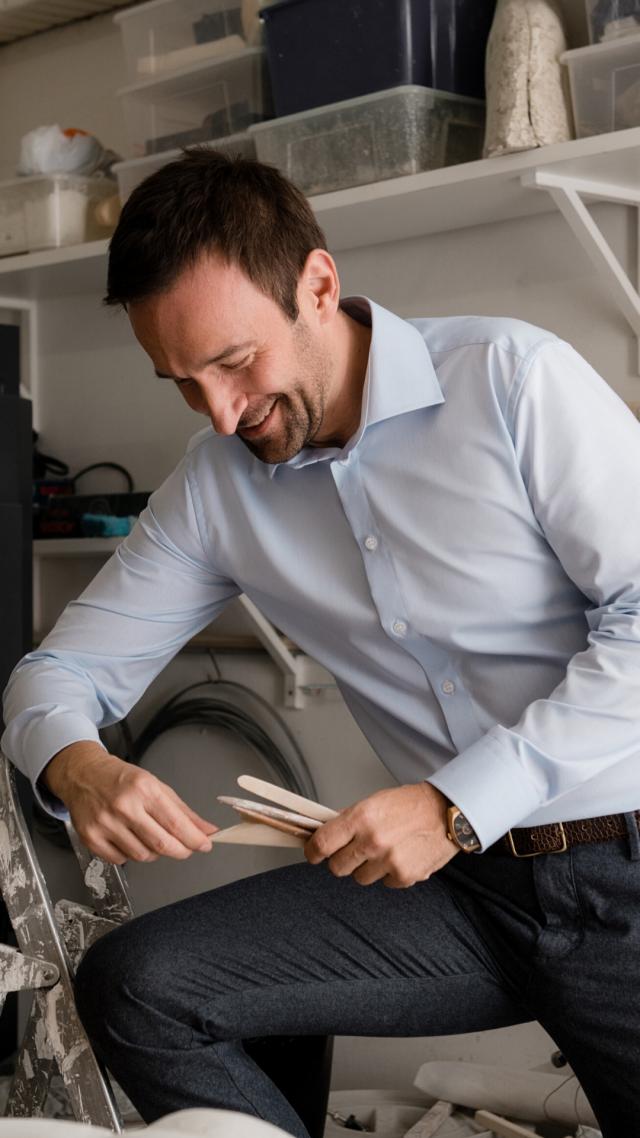
Everything begins with the cut. Two shirts made from the same fabric may appear entirely different on the body. The distinction begins with the cut. Croata shirts are offered in straight, gently tailored and slim silhouettes. This is not simply a choice between a classic and contemporary appearance. Each construction distributes volume differently across the shoulders, chest, waist and back, determining how naturally the shirt moves with the body. The straight cut offers greater ease and a calm, classic silhouette. The gently tailored cut retains comfort while following the body more clearly. The slim cut creates a more precise and contemporary proportion. The best cut is not necessarily the most pronounced. It is the one in which a person can sit, move and pass through the day without remaining constantly conscious of the garment.
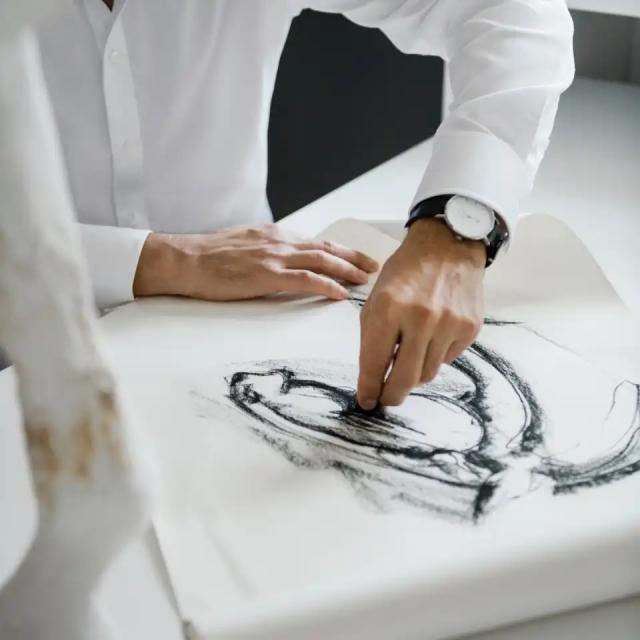
A material first understood through touch.Cotton forms the basis of most Croata men’s shirts, but its quality is defined by more than fibre content alone. The yarn, weave, density, finish and balance between softness and stability all matter. Selected Croata shirts use a 2-ply construction in which two yarns are combined before weaving. This gives the fabric body, smoothness and stability while retaining the comfort of natural cotton. A shirt is not experienced only through sight. It is felt at the neck, cuff and shoulder, and in the way the fabric responds throughout the day. The material must therefore remain convincing beyond the moment in which it is new and perfectly pressed.
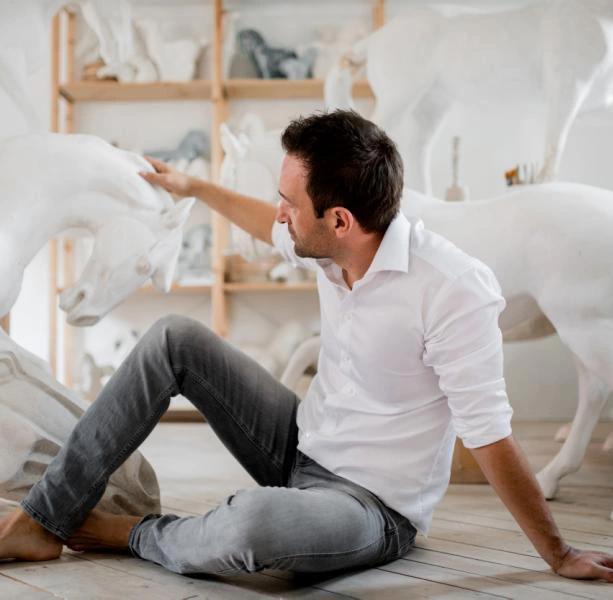
White without explanation. The white shirt is one of the few garments capable of belonging to almost every part of the day. With a suit, it remains precise and formal. Without a cravat, it becomes quieter. Worn with denim or light trousers, it loses severity without losing clarity. Its simplicity is also its greatest demand. There is no motif to draw attention away from the cut, collar, cuff or fall of the fabric. Every proportion becomes visible. The white shirt is therefore not a basic garment in the sense of being without character. It is the clearest expression of construction.
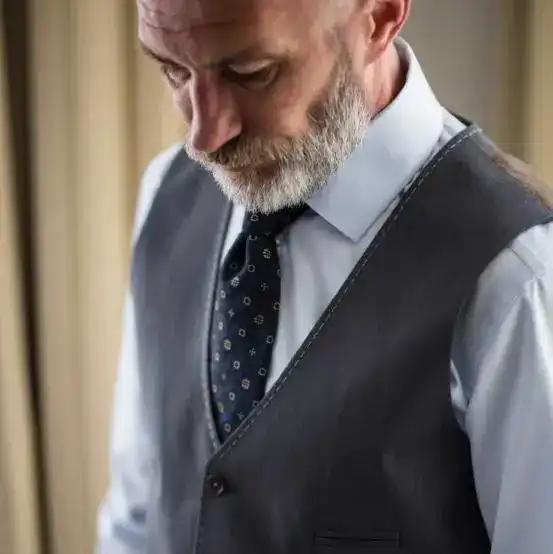
The shirt and the cravat. Croata’s understanding of the shirt is naturally connected with the cravat, yet the shirt is more than a background upon which the cravat is displayed. The collar defines the space for the knot. Its height, opening and construction change the relationship between the face, cravat and jacket. The cuff establishes the end of the sleeve and the precise amount visible beneath the jacket. When these relationships are properly balanced, nothing appears separately. Shirt, cravat and jacket form a single composition. In less formal dress, the same shirt must remain convincing without a cravat. The collar no longer frames another object, but shapes the line of the neck and face itself. This is where a well-constructed shirt becomes most evident: it does not depend upon an accessory to conceal its weaknesses.
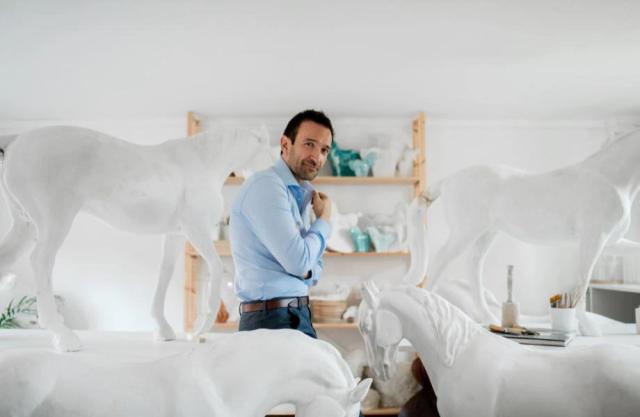
Different shirts, different rhythms. Not every occasion requires the same shirt. Classic designs belong to everyday business and city dressing. Their strength is repeatability: they must combine naturally with different suits, cravats and ways of wearing them. Brijuni NG shirts feature a finish intended to reduce creasing and make care easier. They belong to days in which a shirt must preserve a composed appearance throughout extended wear, work or travel. Formal designs alter details that remain almost invisible on an everyday shirt. A dinner collar, concealed fastening and double cuffs correspond to a different degree of formality and to the relationship with a bow tie or cufflinks. Each shirt has its role. None should attempt to become everything at once.
Dubrovnik: heritage within the fabric. The Dubrovnik shirt occupies a distinct position within Croata production. It is made from 100 per cent combed Egyptian cotton woven in a 2-ply construction, while natural mother-of-pearl buttons are individually sewn by hand. Original motifs are not added to a completed shirt as decoration, but belong to the structure and character of the fabric itself. Heritage therefore does not appear as a large or literal symbol. It is revealed at close range: within a geometric rhythm, the structure of a white surface or a motif that becomes visible when touched by light. This approach corresponds to Croata’s sense of measure. The shirt must first be a well-designed contemporary object. Only then can the motif carry an additional cultural meaning.
Detail with a purpose. On a successful shirt, details are not added to prove its value. The collar must retain its form. The cuff must complete the sleeve correctly. Buttons must be positioned so that the shirt closes naturally, while seams must remain calm and precise. The best details are often not noticed separately. One notices only that the shirt fits well. This is the difference between decorative and structural detail. The first demands attention. The second allows the entire object to feel natural. A Croata shirt does not depend upon one recognisable sign. Its value emerges from the sum of decisions made before it is worn.
Made in Croatia. Croata retains the development of design, pattern construction and shirt production within its own house in Croatia. This degree of control allows decisions concerning proportion, material and making to remain connected with the final garment. Domestic production is not in itself a guarantee of quality. It acquires value only when it represents greater responsibility for each part of the process, from the first construction to final control. The shirt is therefore not merely an object marked with a place of origin. It is the result of knowledge that remains, develops and is passed on within that place.
A personal measure. A standard cut may fit many people well, but at times smaller adjustments or a more complete personal approach are required. Croata offers basic alterations to selected existing designs, while more extensive personalisation is available at the Oktogon boutique through a choice of fabric, cut, collar, cuff, initials and other available details. The purpose of personalisation is not to make the shirt more visible. It is to bring it closer to the person wearing it. At times, this means adjusting the sleeve length. Elsewhere, it may mean a different collar or initials that remain almost concealed. The most successful personalisation need not be visible to others. It is enough that it is felt by the person to whom the shirt belongs.
An object that enters everyday life. A shirt is not judged only at the moment of purchase. Its true value becomes clear after repeated wear: in the way it preserves its line, combines with the rest of the wardrobe and returns naturally to everyday use. An object worn often does not need constantly to attract attention. It needs to be dependable. The Croata shirt is created within precisely this measure: between precision of construction and ease of wear, between Croatian production and the personal life into which it will enter.